2025年11月7日,由教育部学校规划建设发展中心、厦门大学、鹭江创新实验室、中国海洋发展基金会、中国海洋大学联合主办,厦门大学海洋与地球学院、福建海洋可持续发展研究院(厦门大学)(下称:闽海院)、海岸带可持续发展能力建设实验室(下称:实验室)等联合承办的“2025海上丝绸之路国际产学研用合作会议海洋科技与工程分会暨永续海洋论坛”在厦门隆重开幕。来自埃及、东帝汶、法国、马来西亚、美国、泰国、文莱、西班牙、新加坡、印度尼西亚、中国等十余个国家和地区的240余名专家学者、企业代表及高校师生共聚鹭岛,围绕“海洋科技创新助力海岸带可持续发展”主题,共商海洋科技前沿发展与务实合作。
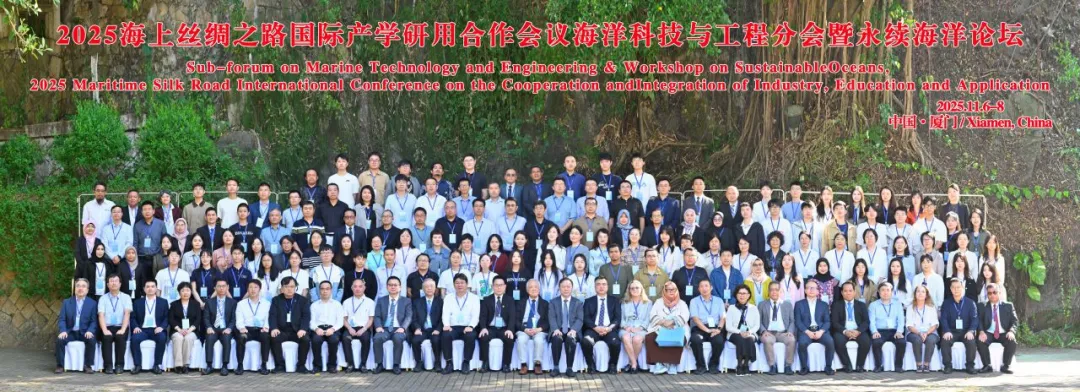
论坛合影
Group Photo of the Forum
“海岸带可持续发展国际合作网络”章程签署
开幕式上,“海岸带可持续发展国际合作网络”章程签署仪式隆重举行。来自七个国家的十二个创始成员单位共同签署章程,分别为:文莱达鲁萨兰大学人文与社会科学学院、海岸带可持续发展能力建设实验室、印尼卡渣玛达大学农业学院、印尼茂物农业大学海事海洋与渔业国际研究院、马来西亚沙巴大学婆罗海洋研究所、马来西亚理科大学海洋与海岸带研究中心、马来西亚登嘉楼大学社会经济与商业学院、马来西亚登嘉楼大学海洋与环境研究院、新加坡华源会、泰国东方大学海洋技术学院、东帝汶国立大学农业学院、阿拉弗拉海和帝汶海区域生态系统项目机构。
“海岸带可持续发展国际合作网络”由海岸带可持续发展能力建设实验室发起,经东帝汶、马来西亚、文莱、新加坡、印度尼西亚、中国等多个国家的高校、科研机构、项目机构和商会代表于2025年9月26日共同倡议建立,旨在汇聚多方知识、经验与资源,积极促进科技合作、能力建设与政策对话。通过联合研究、培训与知识共享,推动基于科学的海岸带管理,共同应对气候变化与生态退化等挑战,为构建海洋命运共同体贡献力量。
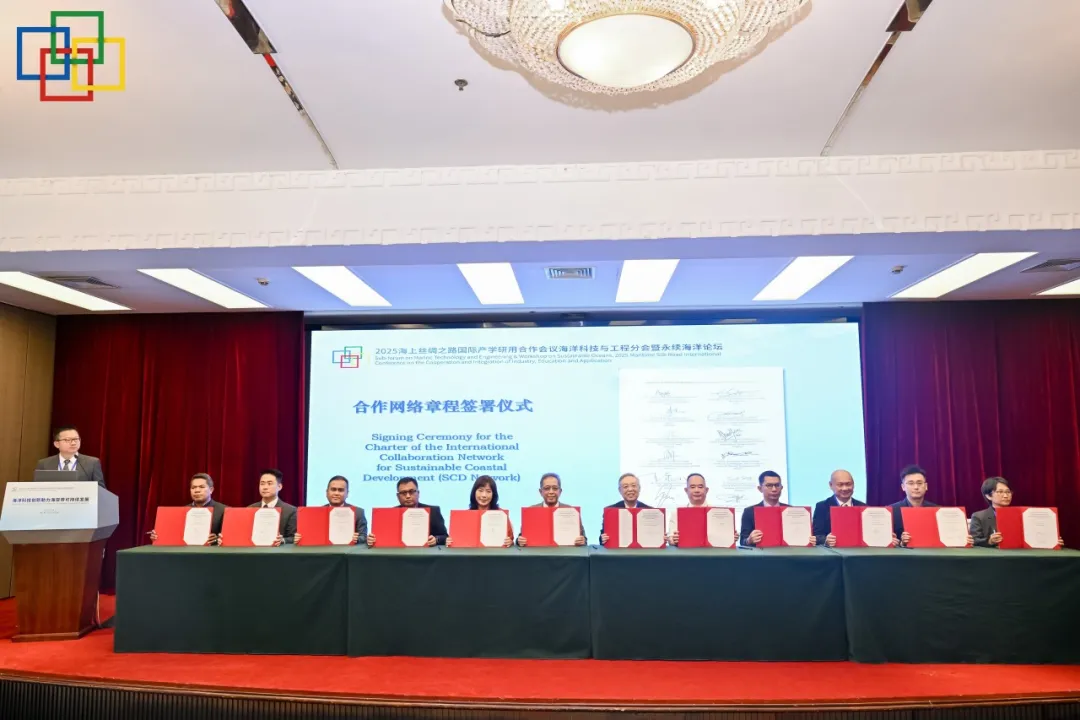
合作网络章程签署仪式合影
Group Photo of the Signing Ceremony
海岸带可持续发展管理的技术创新论坛
7日下午,作为“2025海上丝绸之路国际产学研用合作会议海洋科技与工程分会暨永续海洋论坛”的重要平行论坛之一,由闽海院和实验室共同承办的“海岸带可持续发展管理的技术创新论坛”成功举办,吸引了近百名政府官员、专家学者参会。本次论坛旨在汇聚全球智慧,共同探讨如何通过多元化的技术创新——从空间规划、生态修复到跨部门协作与政策转化——为海岸带可持续发展提供新理念、新方法与新路径。本次论坛还同步举行了“中-印尼海洋空间规划国际培训班”开班仪式,迎来印尼海洋事务与渔业部及其下属单位的20余名政府官员。
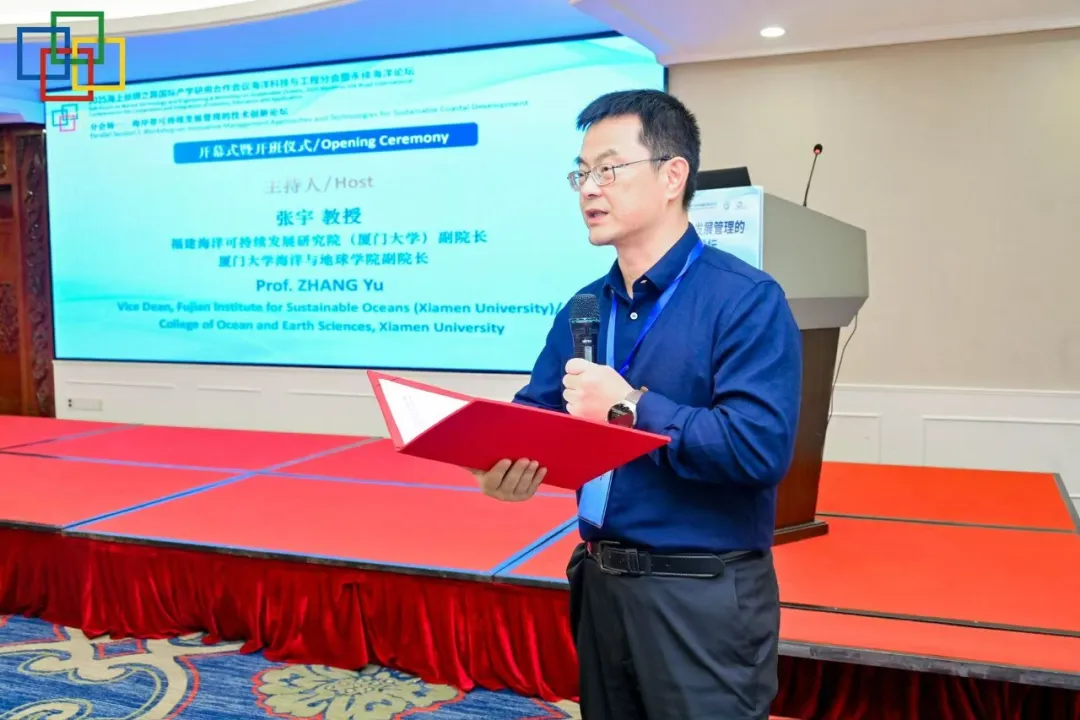
论坛主持人张宇
Prof. Zhang Yu, Host of Workshop
论坛开幕暨“中-印尼海洋空间规划国际培训班”开班仪式由闽海院副院长张宇教授主持。张宇对与会嘉宾表示热烈欢迎并指出,由闽海院发起的“永续海洋论坛”至今已连续举办六届,已成为区域内海洋可持续发展领域思想碰撞、合作对接的重要平台。之后,闽海院院长薛雄志教授和印尼海洋事务与渔业部部长特别顾问Dyah Erowati女士分别致欢迎辞和开幕辞。薛雄志特别向自然资源部第二海洋研究所名誉所长苏纪兰院士六年来对永续海洋论坛的持续支持致以诚挚感谢,并期待与会嘉宾及印尼培训班的学员们就海岸带可持续发展和海洋空间规划等议题展开深入的交流;Dyah女士在致辞中强调,海洋空间规划对印尼这一全球最大群岛国家保障民生、粮食安全和经济韧性具有重要意义。她表示,印尼方已在全国加速编制国家和省级海洋空间规划,并期待通过本次培训深化与我方在遥感、人工智能与蓝碳管理等前沿技术的合作。
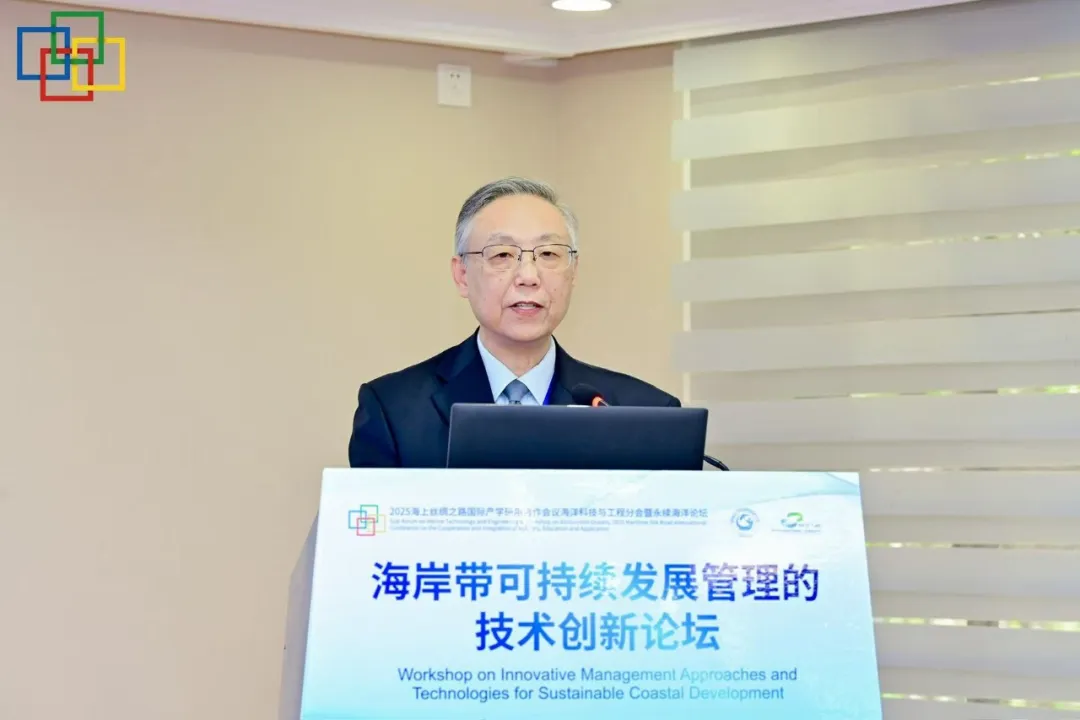
薛雄志致辞
Xue Xiongzhi Delivering Welcome Remarks
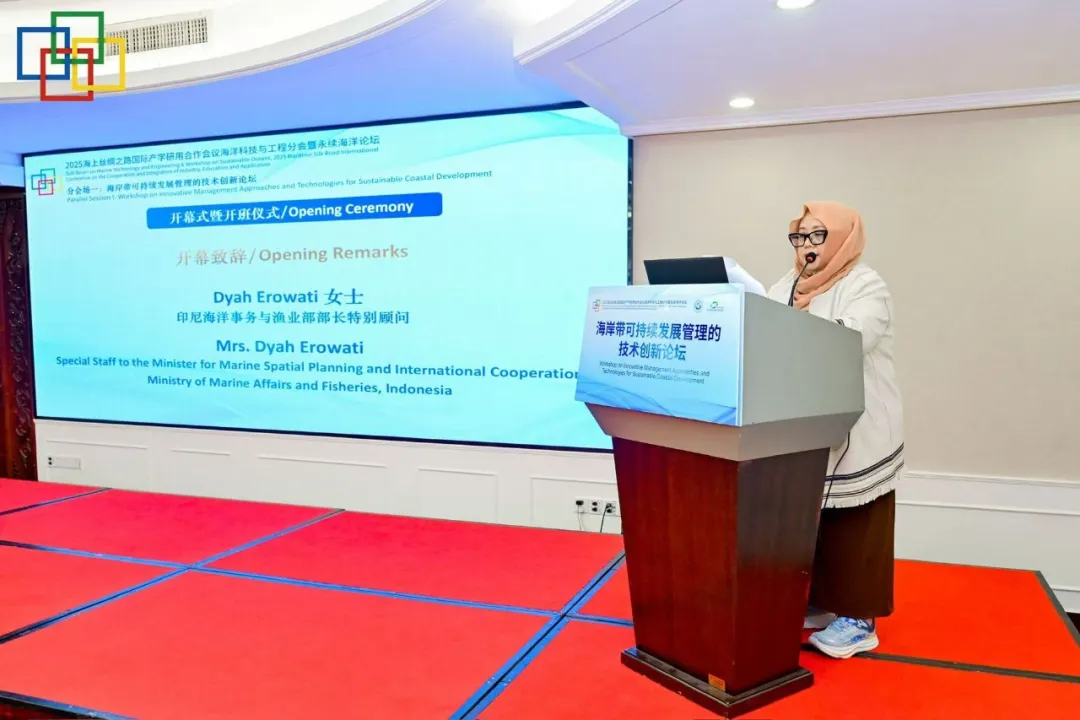
Dyah Erowati 致辞
Dyah Erowati Delivering Opening Remarks
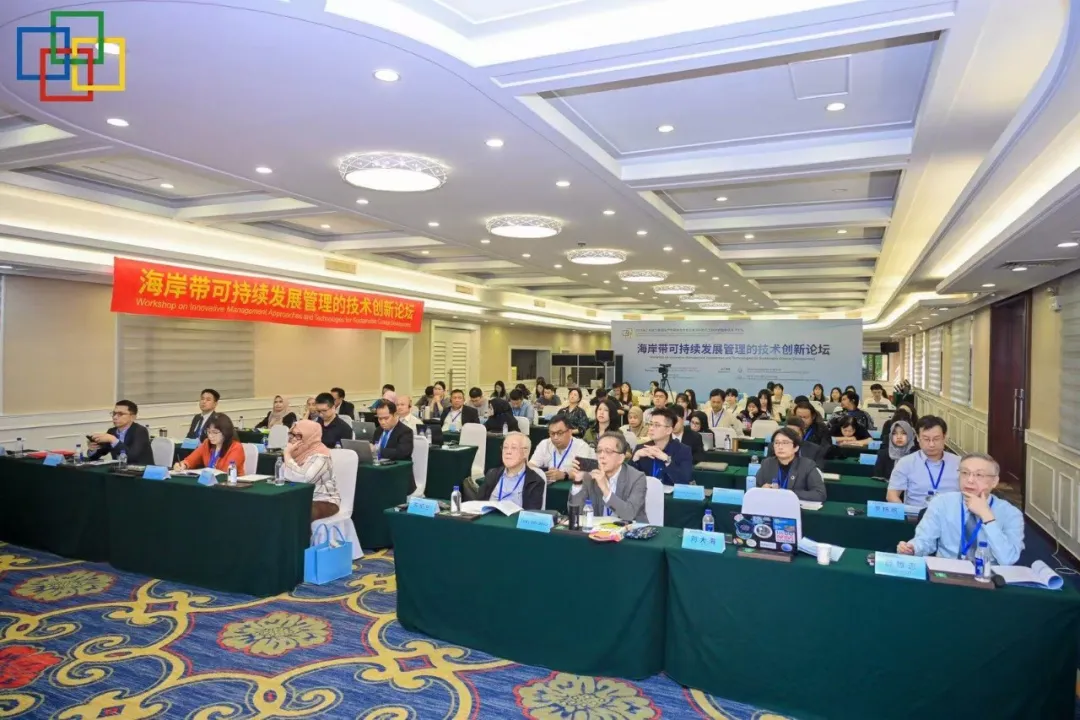
论坛现场
Group Photo of the Workshop
在主题发言环节,论坛邀请了十位专家学者从政策、科技、生态与社会等多维度分享了创新见解:
在管理战略层面,印尼海洋事务与渔业部海洋空间规划局局长Abdi Tunggal Priyanto博士系统阐述了融合海洋空间规划与海岸带综合管理的系统性路径;中国人民大学刘大海教授则从“中国式现代化”视角提出海洋经济高质量发展与国家文明转型的深层联结;
在管理框架层面,印尼茂物农业大学海事海洋与渔业国际研究院主席Luky Adrianto教授以鲨鱼渔业与保护区为例,展示了动态模拟技术在平衡生态保护与社区生计中的科学价值;马来西亚登嘉楼大学社会经济与商业学院院长Nazli Aziz副教授通过“软技术”方法,融合定性与定量研究,优化海洋公园治理策略;在马来西亚理科大学海洋与海岸带研究中心主任Aileen Tan Shau Hwai教授提出“五勺策略”,强调以人为本、数据驱动和建立信任,推动“全社会”参与的跨界协作,共创海洋可持续解决方案;
在科技创新层面,印尼卡渣玛达大学农业学院院长Jaka Widada副教授倡导将“Holobiont(宿主-微生物共生体)”概念引入沿海管理,通过增强微生物群落的健康和韧性,实现沿海生态系统的整体可持续修复和保护;中国科学院城市环境研究所俞慎研究员深入分析中国沿海高城市化地区重金属污染与社会经济发展的复杂关系,为实现沿海地区可持续发展和环境管理提供了数据驱动的转型策略;泰国东方大学海洋技术学院副院长Penchan Laongmanee女士以泰国Koh Larn和Koh Sichang等海域的海洋空间规划试点项目为例,阐述了海洋空间规划在协调用海冲突与推动海洋资源可持续利用方面的作用;
在技术工具层面,马来西亚沙巴大学Chen Cheng Ann副教授提出“分类失败导致政策失败”,并展示了遗传条形码与eDNA技术在渔业执法与生态监测中的实际应用;马来西亚登嘉楼大学Tan Chun Hong副教授分享了马来西亚比东岛珊瑚礁修复中“通用型”技术的成功经验,强调监测珊瑚繁殖能力是实现生态系统自我恢复的关键。
苏纪兰院士为论坛作总结发言。他指出,面对复杂的挑战,海岸带可持续发展需要系统性的管理框架。而有效的框架,离不开创新的技术工具。融合硬技术与软治理,强化人文关怀与国际合作,才能真正实现可持续发展目标。未来,我们仍将面临诸多挑战——气候变化的压力、生态系统的脆弱、以及发展需求的增长。正如今天的交流所展示的那样,只要我们秉持开放的态度,加强合作,持续创新,就一定能在平衡中前行,在挑战中突破。
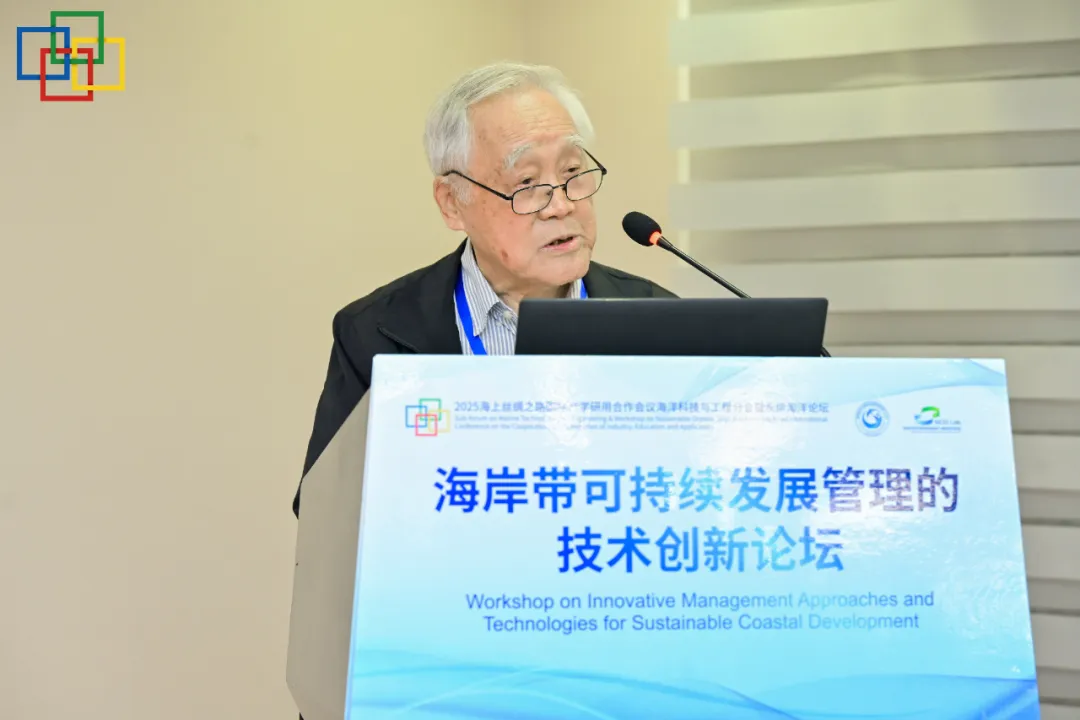
苏纪兰院士作总结发言
Academician Su Jilan Delivering the Summary of the Workshop
本次论坛的成功举办,不仅构筑了学术交流的平台,更是推动区域治理协同与蓝色经济合作的实践起点。通过理念碰撞与技术共享,与会各方进一步凝聚共识,为构建韧性与包容的海岸带未来奠定了坚实基础。闽海院及实验室也将不遗余力,联合“海岸带可持续发展国际合作网络”成员单位,共同为全球海岸带可持续发展贡献力量。
On November 7, 2025, the Sub-forum on Marine Technology and Engineering & Workshop on Sustainable Oceans, 2025 Maritime Silk Road International Conference on the Cooperation and Integration of Industry, Education and Application opened in Xiamen. The forum was co-hosted by the Center for School Development and Planning, Ministry of Education, PRC; Xiamen University; Fujian Ocean Innovation Center; China Oceanic Development Foundation; and Ocean University of China, and jointly organized by the College of Ocean and Earth Sciences of Xiamen University, the Fujian Institute for Sustainable Oceans (Xiamen University) (hereinafter “FISO”), the Sustainable Coastal Development Capacity-Building Research Lab (hereinafter the “SCD Lab”), etc.
The event brought together more than 240 experts, industry representatives, and university students from over ten countries and regions, including Brunei, China, Egypt, France, Indonesia, Malaysia, Singapore, Spain, Thailand, Timor-Leste, and the United States, to explore the theme “Marine Science and Technology Innovation for Sustainable Coastal Development.”
Signing of the Charter of the International Collaboration Network for Sustainable Coastal Development
At the opening ceremony, the signing ceremony for the Charter of the International Collaboration Network for Sustainable Coastal Development was held. Twelve founding members from seven countries signed the Charter, including:
Faculty of Arts and Social Sciences, Universiti Brunei Darussalam
Sustainable Coastal Development Capacity-Building Research Lab
Faculty of Agriculture, Universitas Gadjah Mada
International Center for Maritime, Ocean and Fisheries Research, IPB University
Borneo Marine Research Institute, Universiti Malaysia Sabah
Centre for Marine and Coastal Studies, Universiti Sains Malaysia
Faculty of Business, Economics and Social Development, Universiti Malaysia Terengganu
Institute of Oceanography and Environment, Universiti Malaysia Terengganu
Huayuan Association, Singapore
Faculty of Marine Technology, Burapha University, Thailand
Faculty of Agriculture, National University of Timor-Leste
Arafura and Timor Seas Ecosystem Action Program (ATSEA)
Initiated by the SCD Lab, the International Collaboration Network for Sustainable Coastal Development (referred to as the “SCD Network”) was jointly proposed on 26 September 2025 by universities, research institutes, regional program, and overseas Chinese association from Brunei, China, Indonesia, Malaysia, Singapore, and Timor-Leste. The SCD Network aims to pool knowledge, experience, and resources, advance scientific and technological cooperation, capacity building, and policy dialogue, and promote science-based coastal zone management through joint research, training, and knowledge sharing. Ultimately, it seeks to contribute to the building of a maritime community with a shared future.
Workshop on Innovative Management Approaches and Technologies for Sustainable Coastal Development
In the afternoon, as a parallel session of the Workshop on Sustainable Oceans, FISO and the SCD Lab convened the Workshop on Innovative Management Approaches and Technologies for Sustainable Coastal Development, attracting nearly a hundred government officials and scholars.
The workshop explored how diversified technological innovations—from spatial planning and ecological restoration to cross-sectoral coordination and policy translation—can provide new ideas, tools, and pathways for sustainable coastal development. The opening of the Training Workshop on the Joint Marine Spatial Planning Project—part of the Joint Marine Spatial Planning Project carried out by FISO and Indonesia’s Ministry of Marine Affairs and Fisheries (MMAF)—was also held in parallel, bringing together more than 20 officials from MMAF and its affiliated agencies.
Opening Session
The opening session was chaired by Prof. Zhang Yu, Deputy Director of FISO.
Prof. Xue Xiongzhi, Director of FISO, delivered welcoming remarks, expressing sincere appreciation to Academician Su Jilan, Honorary Director General of the Second Institute of Oceanography, MNR, PRC, for his six years of unwavering support for the Workshop on Sustainable Oceans.
Ms. Dyah Erowati, Special Staff to the Minister of MMAF for Spatial Planning and International Cooperation, delivered the opening address, emphasizing that MSP is essential to safeguarding livelihoods, food security, and economic resilience for Indonesia, the world’s largest archipelagic nation. She highlighted Indonesia’s accelerated development of national and provincial MSP plans and expressed strong expectations for deepened cooperation in remote sensing, AI, and blue carbon technologies.
Featured Presentations
Ten distinguished professionals offered insights across strategic, institutional, technological, and ecological dimensions:
Strategic Management Approaches
Dr. Abdi Tunggal Priyanto, Directorate of Marine Spatial Planning, MMAF, Indonesia, presented a systemic pathway integrating MSP and Integrated Coastal Management (ICM).
Prof. Liu Dahai, Renmin University of China, discussed the linkages between ocean-based high-quality development and Chinese path to modernization.
Management Frameworks
Prof. Luky Adrianto, IPB University, demonstrated the use of dynamic modeling to balance ecological protection and community livelihoods.
Associate Prof. Nazli Aziz, Universiti Malaysia Terengganu, showcased “soft technology” approaches to optimize marine park governance.
Prof. Aileen Tan Shau Hwai, Universiti Sains Malaysia, introduced the “Five-Spoon Strategy,” underscoring data-driven, human-centered, trust-building collaborations across society.
Technological Innovation & Ecological Tools
Associate Prof. Jaka Widada, Universitas Gadjah Mada, advocated applying the Holobiont concept to enhance coastal ecosystem resilience.
Dr. Yu Shen, Institute of Urban Environment, Chinese Academy of Sciences, analyzed the relationship between heavy metal pollution and socioeconomic development in highly urbanized coastal regions.
Ms. Penchan Laongmanee, Burapha University, illustrated MSP pilot practices in Thailand’s Koh Lan and Koh Sichang.
Technical Tools & Applications
Associate Prof. Chen Cheng Ann, Universiti Malaysia Sabah, emphasized “taxonomic failure leads to policy failure,” presenting eDNA and genetic barcoding applications in fisheries enforcement.
Associate Prof. Tan Chun Hong, Universiti Malaysia Terengganu, shared successful coral restoration approaches on Bidong Island, stressing the importance of monitoring coral reproductive capacity.
Closing Remarks
Academician Su Jilan delivered the concluding speech, noting that sustainable coastal development requires systemic management frameworks supported by innovative technological tools. Combining hard technologies with soft governance, strengthening humanistic care, and enhancing international cooperation are essential to addressing the challenges ahead—climate change, fragile ecosystems, and rising development demands. He emphasized that openness, collaboration, and innovation will enable progress amid complexity.
The workshop not only created a platform for academic exchange but also marked a substantive step toward regional governance collaboration and blue economy cooperation. Through shared insights and technological exchanges, participants strengthened their consensus, laying a solid foundation for a resilient and inclusive future for coastal zones. FISO and the SCD Lab will continue to work hand-in-hand with the members of the SCD Network to contribute to global coastal sustainability.