2025年11月6日至12日,由福建海洋可持续发展研究院(厦门大学)(以下简称“闽海院”)与海岸带可持续发展能力建设实验室(以下简称“SCD实验室”)、印尼海洋事务与渔业部(以下简称“MMAF”)共同主办,中国海洋发展基金会支持的“中-印尼海洋空间规划国际培训”在厦门成功举办。
来自MMAF及其下属机构、印尼茂物农业大学、阿拉弗拉海和帝汶海生态系统区域项目机构、厦门大学、福建海洋研究所及相关科研机构的40多名政府官员、专家学者齐聚一堂,聚焦“中-印尼联合海洋空间规划研究项目”(以下简称“联合MSP项目”),旨在结合印尼新首都所在巴厘巴板湾区域现状、最新政策与未来规划,在前期项目工作的基础上,共同探讨海洋空间规划实践经验在印尼新首都建设背景下国家战略布局与区域可持续发展的实践方向。

培训班合影
Group Photo
开班仪式
11月7日,第六届永续海洋论坛主体论坛开幕式与培训班开班仪式同期举行。闽海院院长薛雄志教授和印尼海洋事务与渔业部部长特别顾问Dyah Erowati女士分别致欢迎辞和开幕辞,对本次研讨班的召开表示热烈祝贺,并期待通过此次合作进一步深化两国在海洋空间规划领域的互学互鉴与经验共享。

薛雄志在论坛上致欢迎辞
Xue Xiongzhi Delivering Welcome Remarks
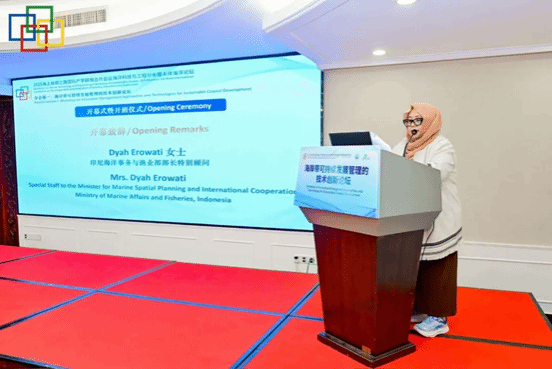
Dyah Erowati在论坛上致开幕辞
Dyah Erowati Delivering Opening Remarks
专题讲座与项目研讨
11月8日至12日,培训班以专题讲座、项目专题研讨与现场教学相结合的形式展开。
中国海洋发展基金会副理事长兼秘书长潘新春教授作题为“中国海洋空间规划的实践与成就”的专题讲座。他指出,中国在实施海洋空间规划中总结了诸多宝贵经验和案例,基金会也将继续依托“一带一路”合作框架,积极与相关国家分享。他期待中印尼双方在印尼新首都巴厘巴板湾的合作实践中,共同推动科学、合理的海洋空间规划落地,为区域蓝色经济发展注入新动能;厦门大学环境与生态学院副教授李少斌作题为“海湾水质管理”的专题讲座,系统介绍了我国典型海湾水质监测与污染控制的实践经验。他强调,科学的监测体系和分区管理机制是保障海湾生态健康的重要基础,并就印尼学员关心的技术应用与治理案例进行了互动交流。
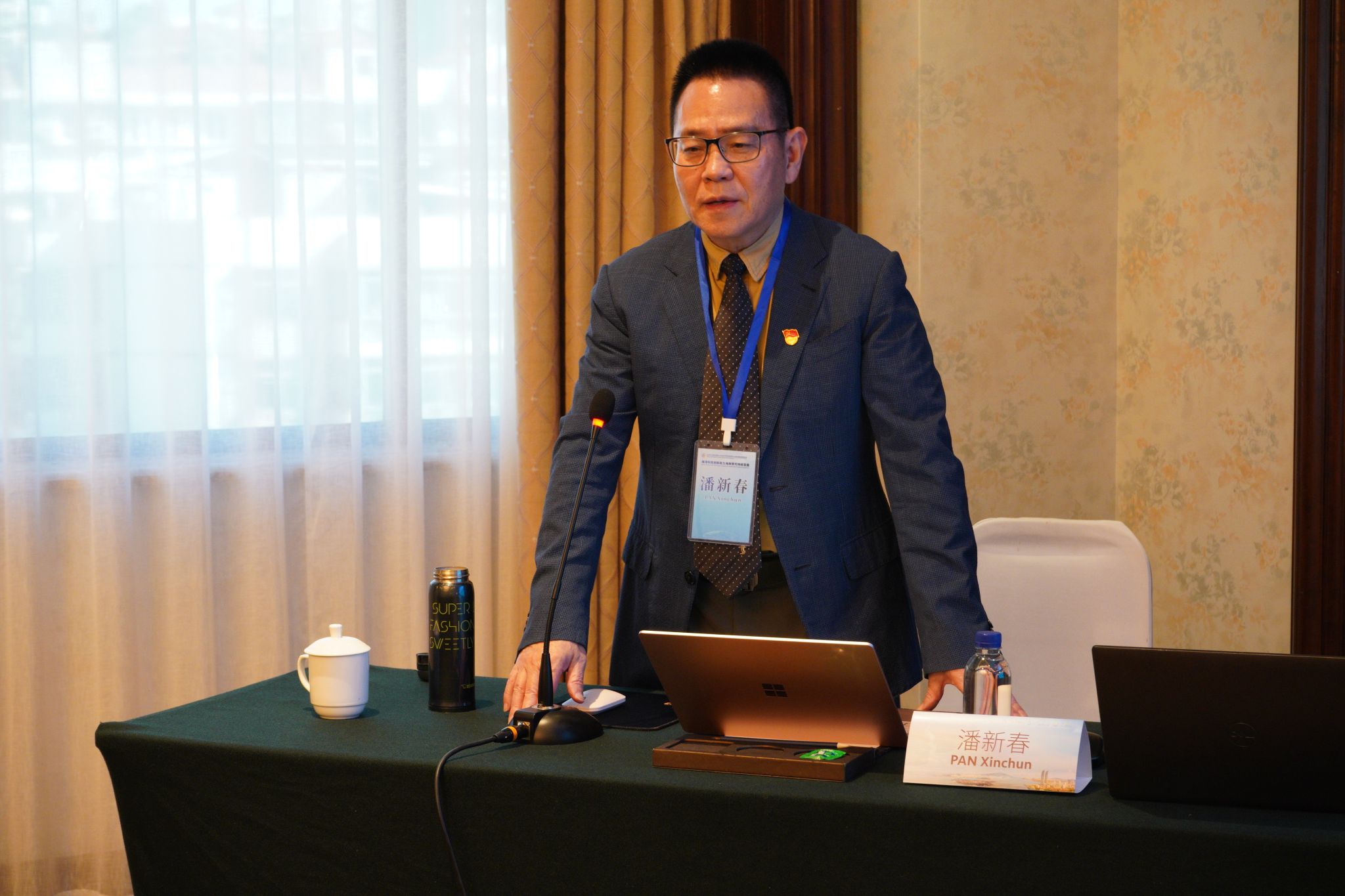
潘新春作专题讲座
Pan Xinchun Delivering Featured Presentation

李少斌作专题讲座
Li Shaobin Delivering Featured Presentation
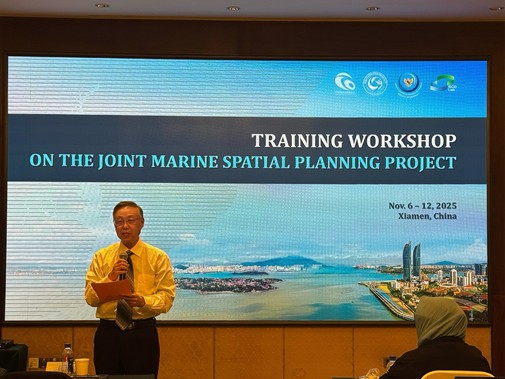
薛雄志作专题介绍
Xue Xiongzhi Delivering Lecture

李杨帆作专题介绍
Li Yangfan Delivering Lecture
来自MMAF的原海洋空间规划总局秘书长/现一级监察员Kusdiantoro、原海洋空间规划局执行局长/现海洋与海岸带生态系统管理顾问Suharyanto与来自印尼茂物农业大学的副教授Fery Kurniawan也分别围绕“海洋空间规划的治理与问责”、“以海洋空间规划引领印尼蓝色经济”、“巴厘巴板湾社会—生态系统承载力分析”等主题作专题讲座。其中,Kusdiantoro指出,当前海洋空间规划实施仍面临不少挑战,印尼海洋事务与渔业部将启动一系列措施,全面提升海洋空间治理效能;Suharyanto指出,海洋空间规划是推动蓝色经济发展的关键工具,不仅能平衡生态保护与经济利用,更能促进沿海社区的减贫与就业;Fery则分享了IPB团队对研究区域相关分析结果,并探究了海洋空间规划的实施成效。
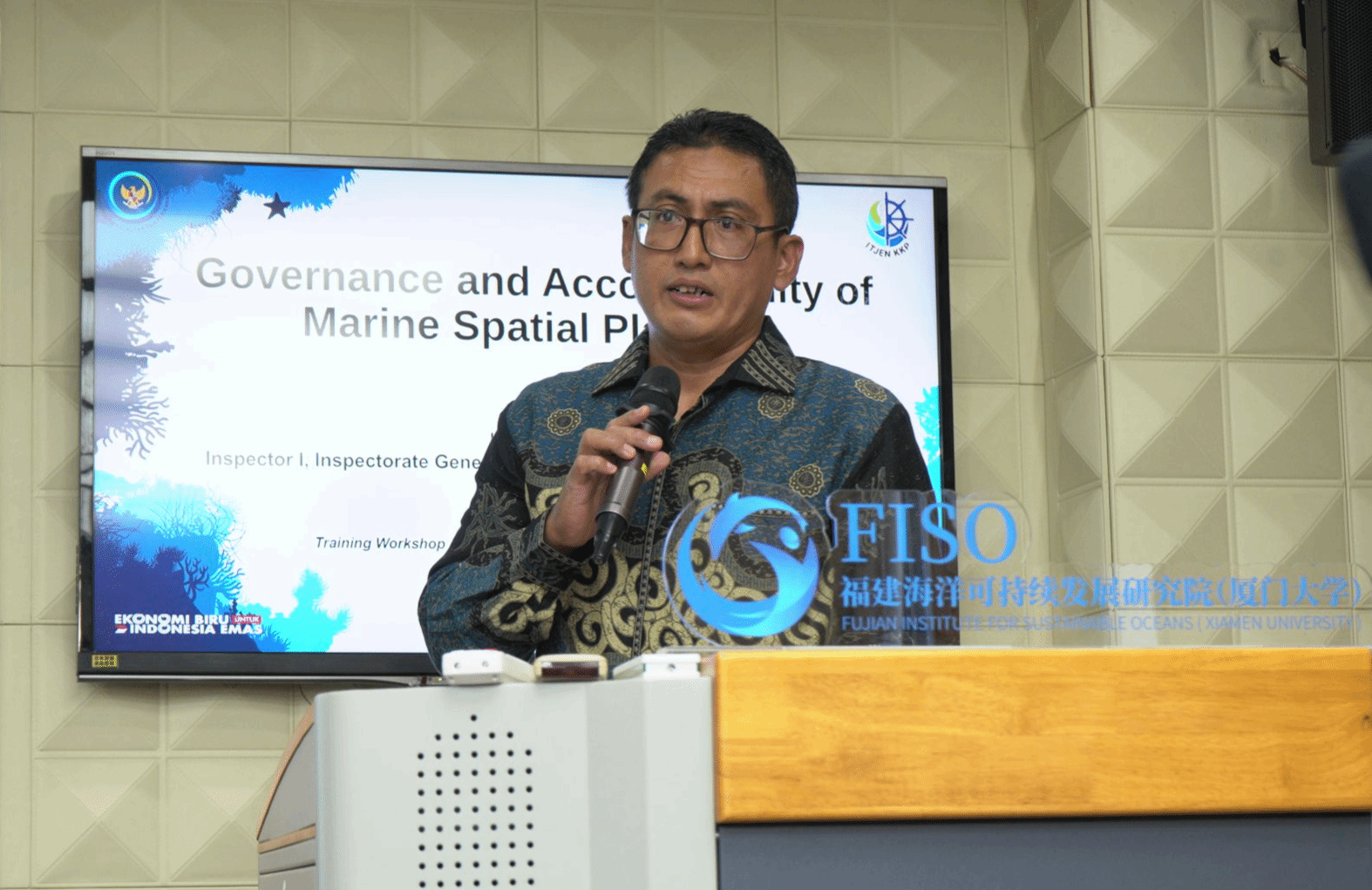
Kusdiantoro作专题介绍
Kusdiantoro Delivering Lecture

Suharyanto作专题介绍
Suharyanto Delivering Lecture
项目专题研讨会上,福建省海岛与海岸带管理技术研究重点实验室主任罗美雪研究员详细介绍了中国海洋空间规划体系,并结合巴厘巴板湾的资源环境与社会经济特点,提出了兼顾保护与开发的海洋空间规划建议,强调陆海统筹、生态优先、多维利用的规划理念。

罗美雪作专题介绍
Luo Meixue Delivering Lecture
MMAF海洋空间规划局局长Abdi Tunggal Priyanto博士、闽海院院长薛雄志教授课题组分别汇报了联合MSP项目的最新进展,闽海院副院长李杨帆教授课题组也就“红树林生态韧性与可持续发展趋势分析”进行汇报交流。随后,双方围绕项目数据处理、海洋功能区划建议及下一步工作方案等展开研讨。

Abdi Tunggal Priyanto在研讨现场发言
Abdi Tunggal Priyanto Making Comments During the Seminar
实地考察与经验交流
培训期间,代表团还赴厦门生态治理与蓝色经济发展代表性区域开展实地考察活动,重点了解厦门在可持续旅游、城市滨海发展及生态修复等方面的经验做法。
通过现场交流,印尼代表团进一步感受到厦门在海洋生态文明建设与“蓝色增长”路径探索中的实践成果。

培训班踏勘合影
Field Trip
培训班结业与展望
培训班闭幕式上,MMAF部长特别顾问Dyah Erowati女士、薛雄志教授分别发表闭幕致辞。Dyah女士指出,此次培训班不仅对MSP的概念、工具和实践应用进行了深入的探讨,也对未来如何将研究成果推广至印尼更多的沿海区域进行了展望,具有重要的实践意义。同时,她还特别向中国海洋发展基金会对本项目的支持表达了感谢,并希望未来可以继续深化与中国海洋发展基金会及闽海院的合作,探索新的研究领域;薛雄志教授在致辞中指出,本次培训活动是中-印尼联合MSP项目实施过程中的重要组成部分,也是区域海洋空间规划能力提升的一次有力实践,并对印尼海洋事务与渔业部和中国海洋发展基金会对闽海院的信任和对本次培训活动的支持表示感谢。
本次培训班是联合海洋空间规划项目的重要阶段性活动,标志着双方在蓝色伙伴关系框架下的务实合作迈上新台阶。未来,闽海院与印尼海洋事务与渔业部项目合作伙伴将继续加强沟通与协作,以巴厘巴板湾海洋空间规划项目为样板,以助力印尼新首都建设为起点,合作推动区域海洋治理能力建设,共同助力全球海洋可持续发展。
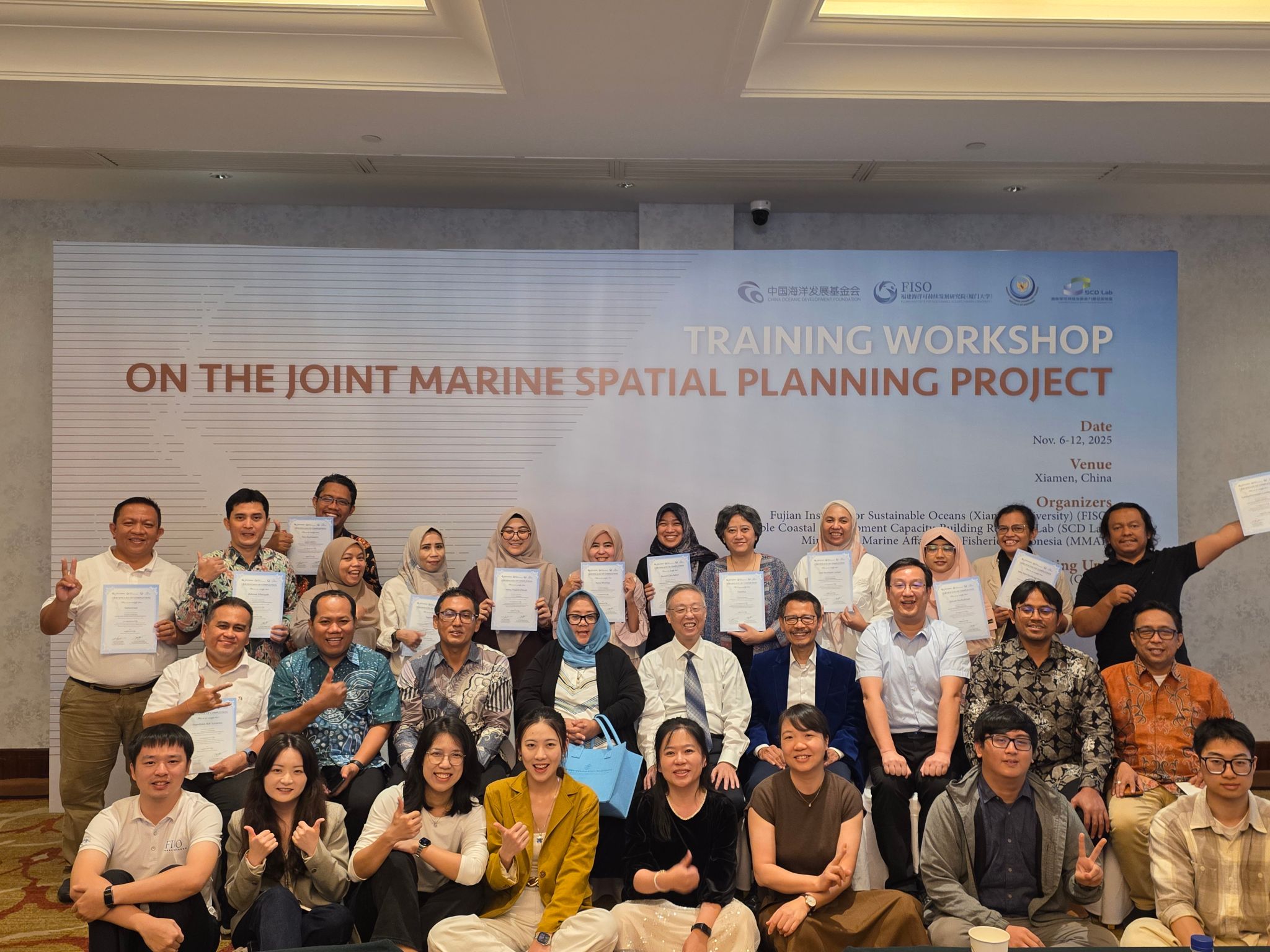
闭幕式合影
Group Photo of the Closing Ceremony
Xiamen, China — November 6–12, 2025 — Co-hosted by the Fujian Institute for Sustainable Oceans, Xiamen University (hereinafter “FISO”); the Sustainable Coastal Development Capacity-Building Research Lab (hereinafter “SCD Lab”); and Indonesia’s Ministry of Marine Affairs and Fisheries (hereinafter “MMAF”), and supported by the China Oceanic Development Foundation (CODF), the Training Workshop on the Joint Marine Spatial Planning (MSP) Project was successfully held in Xiamen.
More than 40 government officials and professionals from MMAF and its affiliated institutions, IPB University, the Arafura & Timor Seas Ecosystem Action Program, Xiamen University, the Fujian Institute of Oceanography, and related research organizations gathered for the event. Centered on the Joint Marine Spatial Planning Project for the Balikpapan Bay area (hereinafter the “Joint MSP Project”), the training aimed to integrate the current status, latest policies, and future planning of Balikpapan Bay—home to Indonesia’s new capital—while building on previous project achievements to explore MSP-based national strategic planning and regional sustainable development pathways.
Opening Ceremony
On November 7, the opening ceremony of the training program was held during parallel session I of the 6th Workshop on Sustainable Oceans, which is convened by FISO.
Prof. Xue Xiongzhi, Dean of FISO, and Ms. Dyah Erowati, Special Staff to the Minister of MMAF for Spatial Planning and International Cooperation, delivered welcome and opening remarks respectively. They extended their congratulations on the convening of the program and expressed hopes that this collaboration would further promote exchange and experience-sharing between China and Indonesia in the field of marine spatial planning.
Featured Presentations, Lectures and Seminar Sessions
Scheduled from November 8 to 12, the training program consisted of lectures, project discussions, and field-based learning.
Prof. Pan Xinchun, Vice President and Secretary-General of CODF, delivered a featured presentation titled “China’s Practices and Achievements in Marine Spatial Planning.” He highlighted China’s rich experience and case studies in MSP and noted that CODF would continue sharing these practices with partner countries under the Belt and Road framework. He expressed high expectations for the collaboration in Balikpapan Bay between the two countries, emphasizing the role of MSP in driving regional blue economy development.
Associate Prof. Li Shaobin from Xiamen University delivered a featured presentation titled “Marine Water Quality Management,” providing a systematic overview of monitoring frameworks and pollution control practices in China’s representative bays. He emphasized the importance of scientific monitoring systems and zone-based management, and engaged Indonesian participants in technical discussions and case exchanges.
Dr. Kusdiantoro, former Secretary-General of the Directorate General of Marine Spatial Planning at MMAF / current Inspector I of MMAF; Mr. Suharyanto, former Acting Director of Marine Spatial Planning of MMAF / current Principal Expert of Marine and Coastal Ecosystem Management of MMAF; Dr. Fery Kurniawan, Associate Prof. at IPB University also delivered lectures on topics of “Governance and Accountability in Marine Spatial Planning,” “MSP as a Driver of Indonesia’s Blue Economy,” and “Socio-Ecological Carrying Capacity Analysis of Balikpapan Bay” respectively. Dr. Kusdiantoro highlighted implementation challenges of MSP and noted that MMAF will launch a series of targeted measures to strengthen marine spatial governance. Mr. Suharyanto underscored MSP as a key tool for balancing ecological protection and economic development, while supporting poverty reduction and employment in coastal communities. Dr. Fery shared IPB’s analytical findings for the project region and reflected on their implications for MSP implementation effectiveness.
During the seminar sessions, Prof. Luo Meixue, Director of the Fujian Provincial Key Laboratory of Coast and Island Management Technology, provided an in-depth introduction to China’s MSP system. She then drew on the characteristics of Balikpapan Bay’s ecological and socio-economic systems and proposed planning recommendations that emphasized land–sea integration, ecological priority, and multi-dimensional use.
Dr. Abdi Tunggal Priyanto, Director of the Directorate of Marine Spatial Planning at MMAF, and the research groups led by Prof. Xue Xiongzhi reported on the latest progress of the Joint MSP Project respectively. The research group led by Vice Dean of FISO Prof. Li Yangfan also shared assessment models for mangrove ecological resilience and sustainable development trends. The two sides then held discussions on data processing, functional zoning recommendations, and next-steps.
Field Visits and Experience Sharing
During the training, the delegation also visited representative sites in Xiamen to explore the city’s achievements in ecological governance, ecological restoration, sustainable tourism, and waterfront city development.
Through on-site visits, the Indonesian participants gained deeper insights into Xiamen’s practical experience in marine ecological civilization and its exploration of pathways toward “blue growth.”
Closing Ceremony
At the closing ceremony, Ms. Dyah Erowati and Prof. Xue Xiongzhi delivered closing remarks.
Ms. Dyah noted that the training workshop not only deepened participants’ understanding of MSP concepts, tools, and applications, but also opened discussions on how project findings could be applied to more Indonesian coastal regions. She expressed sincere gratitude to CODF for its support and looked forward to further collaboration with both CODF and FISO in new research areas.
Prof. Xue emphasized that the training constituted an essential milestone in the implementation of the Joint MSP Project and represented a meaningful step toward enhancing regional MSP capacity. He expressed appreciation for the strong support provided by MMAF and CODF throughout the program.
Looking Ahead
As a key milestone of the Joint MSP Project, this training workshop marks a new stage of collaboration under the evolving China–Indonesia blue partnership. Moving forward, FISO and MMAF will continue strengthening communication and collaboration—using the Balikpapan Bay MSP project as a pilot project and the new capital development as a starting point—to jointly advance regional marine governance capacity and contribute to global sustainable ocean development.